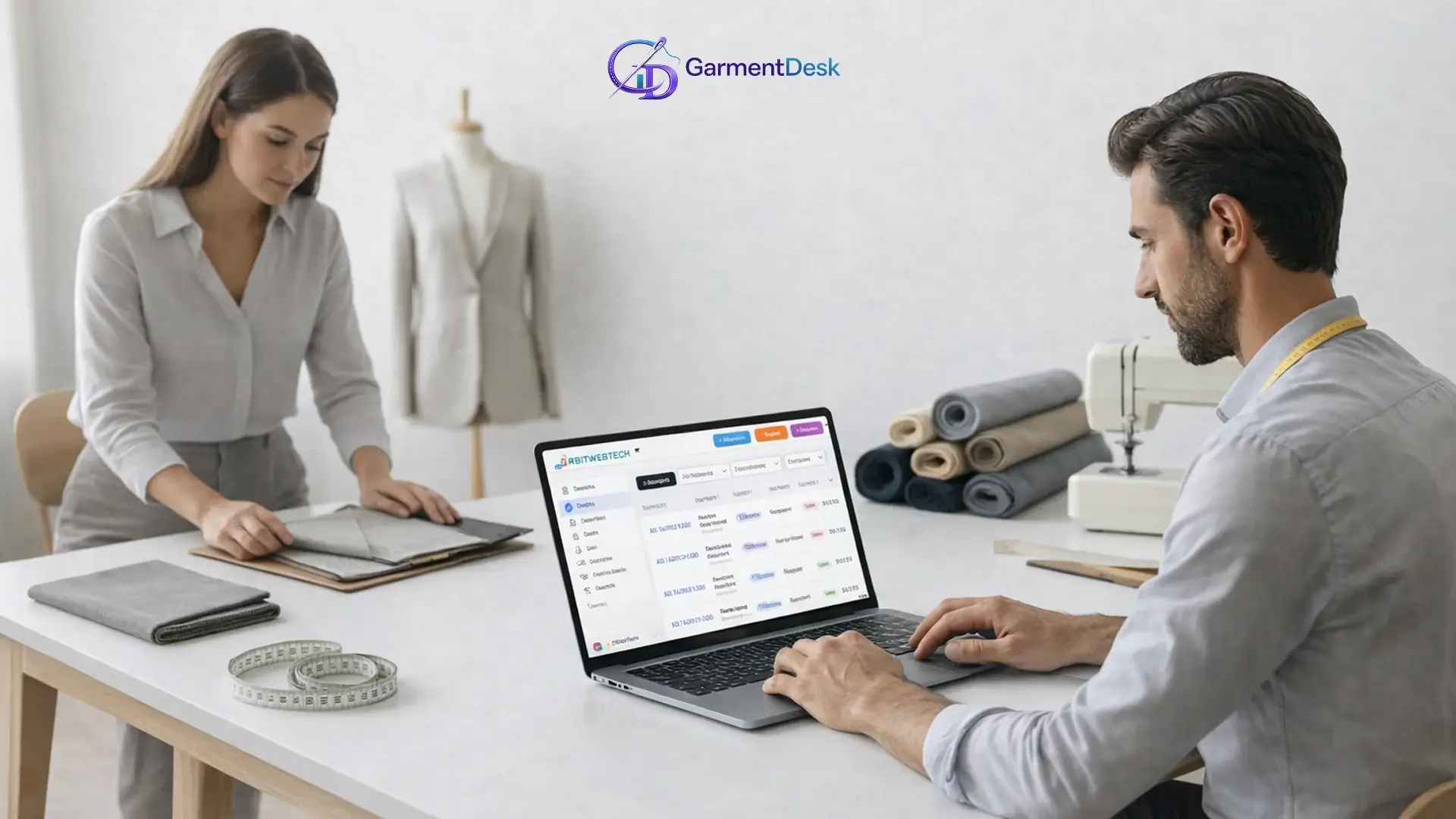
Running a tailor shop in 2026 means managing bespoke orders end-to-end, customer measurements, fabric inventory, alterations, and payments all at once. Without the right tools, it’s easy to lose track of tasks, miss deadlines, and disappoint loyal customers.
That’s where tailor shop management software comes in. The right platform streamlines your entire workflow, from the moment a customer walks in to the day they collect their finished garment. Whether you run a one-person bespoke studio or a multi-location tailoring business, this guide covers everything you need to know to choose the best solution in 2026.
What Is Tailor Shop Management Software?
Tailor shop management software is a digital platform designed specifically for the tailoring and garment industry. It replaces paper order books, spreadsheets, and manual tracking with an integrated system that manages orders, customers, measurements, payments, and team tasks in one place.
Unlike generic small business software, tailoring software understands the unique workflow of bespoke and alteration businesses, including multi-stage garment pipelines, fabric notes, fitting schedules, and customer measurement profiles.
Why Tailors Need Dedicated Software in 2026
The tailoring industry has become more competitive than ever. Customers expect fast turnarounds, real-time updates, and a personalized experience. Manual systems simply can’t keep up. Here’s what dedicated garment software solves:
- Lost or delayed orders due to poor tracking
- Inconsistent measurements leading to costly remakes
- Missed follow-ups and poor customer communication
- No visibility into revenue, outstanding balances, or staff performance
- Difficulty scaling across multiple store locations
Key Features of the Best Tailor Management Software
When evaluating tailoring software options, focus on these core capabilities that directly impact how efficiently your shop operates day-to-day. Explore all tailor shop
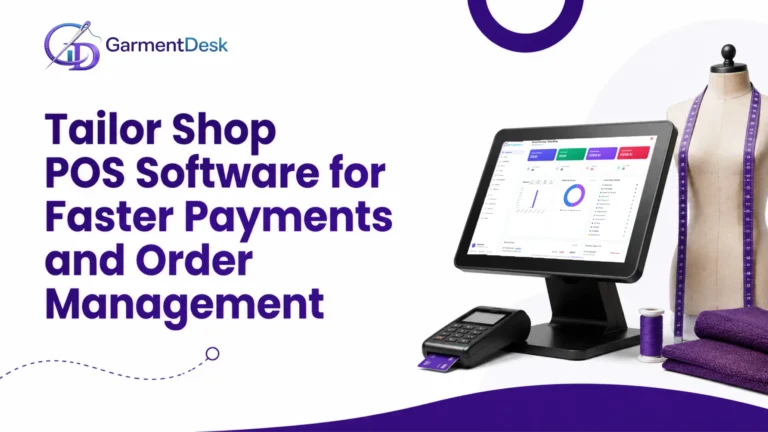
Order Management Dashboard
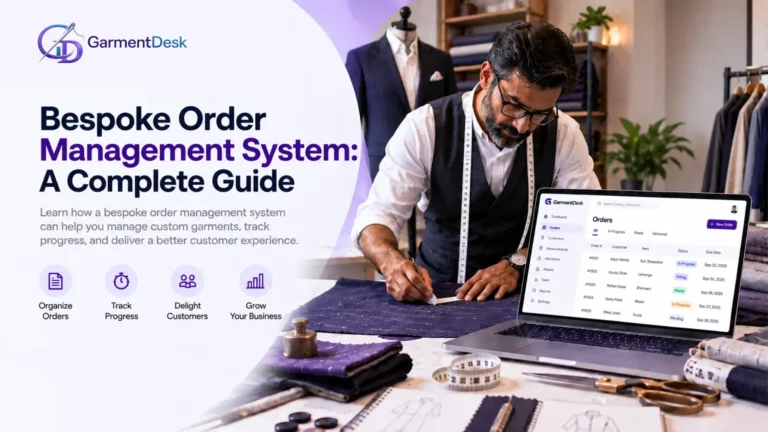
A centralized order management system allows you to view every active job at a glance—what’s overdue, ready for collection, or currently in progress. Look for real-time status updates, searchable order history, and seamless integration with other features.
Bespoke Order Pipeline
Bespoke tailoring involves multiple stages, including measuring, fabric selection, cutting, stitching, fitting, and finishing. A visual pipeline keeps your team aligned at every step and ensures customers receive automatic progress updates, helping you avoid missed deadlines.
Alteration & Repair Tracking
Alteration work requires precision. High-quality clothing management software guides staff through structured workflows to capture every detail such as bust adjustments, hem lengths, and fabric notes—while automatically estimating pricing and turnaround time. This reduces miscommunication and costly errors.
Customer CRM with Measurement Profiles
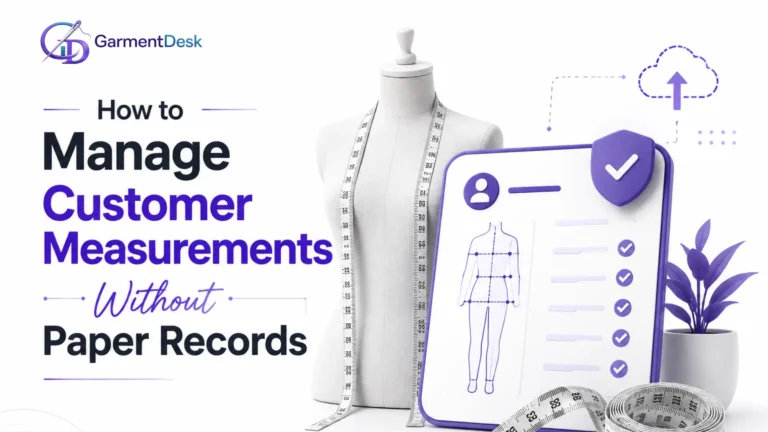
A built-in CRM stores each customer’s measurement history, order records, preferences, and communication logs. This is critical for bespoke tailoring, where personalization drives repeat business. Features like VIP tagging, smart filters, and multi-store access enhance usability.
Invoicing & Payment Ledger
Tailor invoicing software enables you to create and send professional invoices with a single click while tracking payments, balances, and partial deposits. It supports multiple currencies and taxes, provides real-time updates, and allows exporting invoices as CSV for full financial visibility.
Team Roles & Permissions
Role-based access control is essential for teams. Assign roles such as Owner, Manager, Tailor, QA, or Front Desk, and define exactly what each user can access. This ensures data security and keeps team members focused on their responsibilities.
Multi-Store Architecture
For businesses with multiple locations, multi-store tailoring software enables each branch to operate independently while providing owners with a unified dashboard. Staff access is limited to their respective stores, while managers maintain full visibility.
Automated Customer Notifications
Manual follow-ups can be time-consuming and error-prone. Advanced tailoring software automates email or in-app notifications whenever an order status changes, saving time and keeping customers informed without additional effort.
How to Choose the Right Tailoring Software for Your Business
With several options available in the market, choosing the right platform comes down to your shop’s specific needs. Here’s a practical framework:
- Define your workflow first: Map out your order types bespoke, alterations, repairs and list every step from intake to delivery. The software must reflect your actual process, not force you to adapt to a generic one.
- Prioritise must-have features: For bespoke tailors, measurement storage and pipeline tracking are non-negotiable. For alteration shops, guided question flows and quick quotes matter most.
- Check scalability: If you plan to open more locations or grow your team, invest in software that supports multi-store management and role-based permissions from the start.
- Evaluate ease of use: Staff adoption is the biggest barrier to success with any new tool. Opt for software with an intuitive interface that doesn’t require extensive training.
- Confirm GDPR compliance: If you operate in the UK or EU, your customer data management must meet GDPR standards. Look for platforms with encryption, audit trails, and role-based data access.
- Try before you buy: Always start with a free trial to test the software against your real workflows before committing to a paid plan.
Best Tailor Management Software for Small Businesses and UK Shops
Small tailoring businesses and independent bespoke studios need affordable software that doesn’t come with enterprise-level complexity. The best options for small shops offer:
- Simple setup with no technical expertise required
- Affordable software plans for tailor shops with no long-term commitment.
- UK and EU GDPR compliance built in
- GBP currency support for invoicing and payments
- Responsive customer support without long wait times
For UK-based bespoke tailors and alteration shops, data protection compliance is especially important. Choose a platform that clearly states its GDPR position, uses encrypted storage, and provides audit trails for all data access.
The Real ROI of Tailor Shop Management Software
Beyond convenience, the right software delivers measurable business value. Tailor shops that move from manual to digital systems typically see:
| Sr no | What You Gain | How It Helps Your Business |
| 1 | Fewer Missed Orders | Clear status tracking ensures no order is lost or delayed |
| 2 | Fewer Measurement Errors | Reduces costly remakes and fabric waste |
| 3 | Better Cash Flow Visibility | Real-time payment ledgers show exactly what’s paid and outstanding |
| 4 | Higher Customer Retention | Personalised, consistent service keeps customers coming back |
| 5 | Faster Staff Onboarding | Structured workflows get new team members productive quickly |
These gains compound over time. A tailor who spends two fewer hours per week on admin frees up over 100 hours per year, time that can go toward serving more customers or growing the business.
Conclusion
In 2026, tailor shop management software is no longer a luxury, it’s a competitive necessity. Whether you’re a solo bespoke tailor or managing multiple garment shop locations, the right platform transforms how you operate, how your team performs, and how your customers experience your brand.
Focus on software that was purpose-built for the tailoring industry, covers the full order lifecycle, protects customer data, and scales with your business. Always take advantage of free trials to validate the fit before committing.
If you’re ready to see what modern tailoring software looks like in practice, explore GarmentDesk, built specifically for tailor shops, alteration studios, and bespoke garment businesses.
Try GarmentDesk free at garmentdesk.com
FAQs
What is the best tailor management software for small businesses in the UK?
The best options for UK small businesses combine GDPR compliance, GBP invoicing, bespoke order tracking, and affordable pricing. GarmentDesk was designed specifically for independent tailor shops and bespoke studios, making it a strong choice for UK-based businesses of all sizes.
What features should I look for in bespoke tailoring software?
Essential features include a bespoke order pipeline, customer measurement storage, automated notifications, invoicing with deposit support, and role-based team permissions. GDPR compliance and multi-currency support are especially important for UK and EU shops.
Is there affordable tailoring software for bespoke shops?
Yes. Platforms like GarmentDesk offer tiered pricing suitable for independent shops and small teams. Look for software with a free trial so you can assess value before committing to a subscription.
How do I compare different garment management software options?
Compare based on bespoke pipeline support, alteration workflow depth, CRM measurement storage, invoicing capabilities, team permissions, multi-store support, and GDPR compliance. Always run a free trial using your actual order types.
Where can I find independent reviews of tailoring business software?
Look for reviews on software comparison platforms such as Capterra, G2, and Trustpilot. Also check tailoring business forums and industry communities for first-hand user experiences.
Can tailor shop software manage customer measurements across multiple visits?
Yes. A good tailor CRM stores complete measurement profiles tied to each customer’s account, accessible across all visits and store locations. This is one of the most valuable features for bespoke tailors building long-term client relationships.
Does tailoring software work for alteration shops as well as bespoke tailors?
Absolutely. The best platforms serve both bespoke and alteration workflows. Look for guided alteration question flows, repair quote tools, and fast order intake. These features are specifically designed for high-volume alteration businesses.