A good tailoring experience is about more than creating a well-fitted garment. Customers also expect their measurements to be accurate, orders to be handled carefully, updates to arrive on time, and their previous preferences to be easy to access. When these details are managed manually, even a busy and experienced tailor shop can face delays, misplaced records, or communication problems.
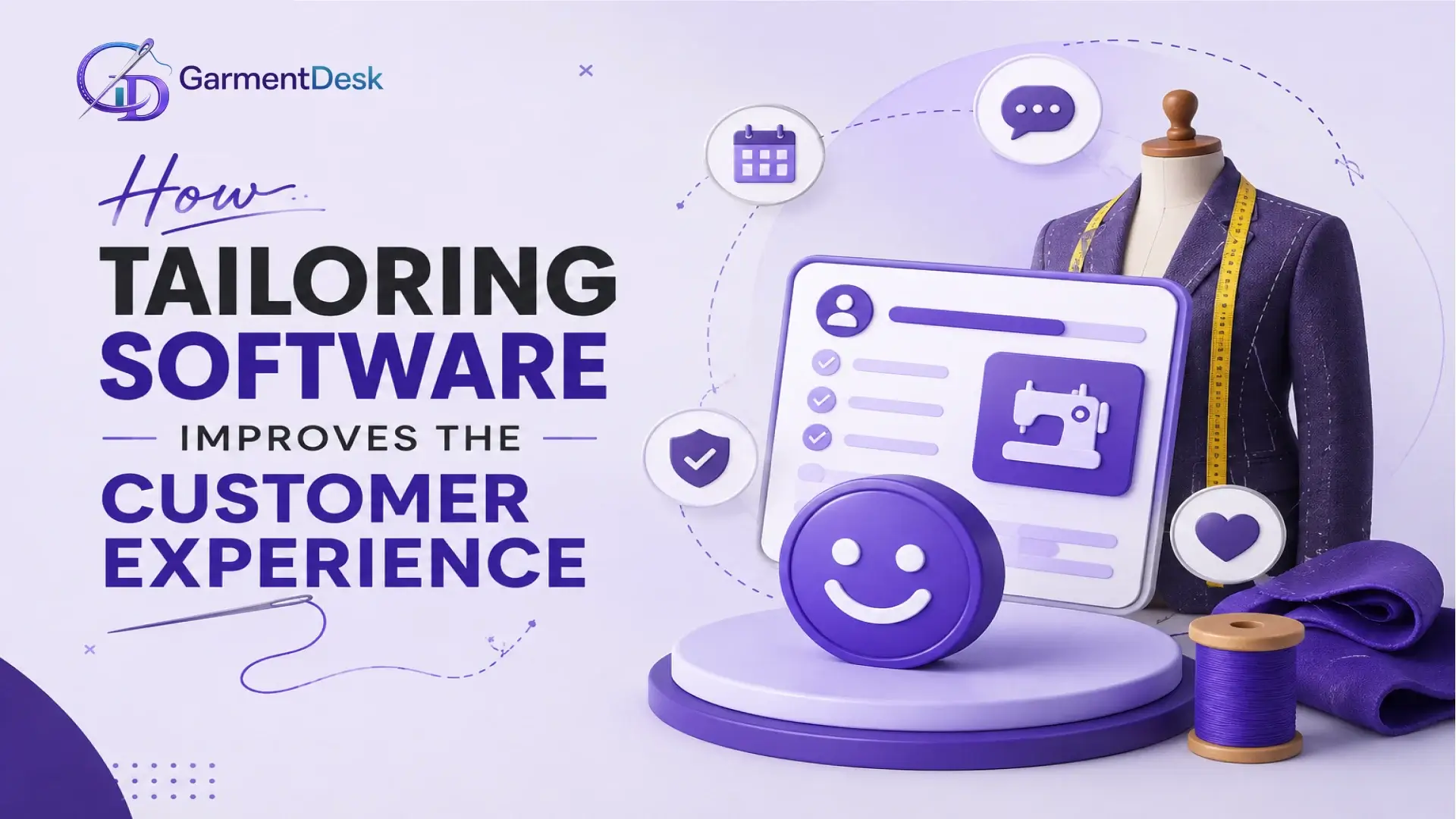
How Tailoring Software Improves the Customer Experience starts with one simple idea: make every customer interaction easier to manage.
Tailoring software gives shops a central place to manage customer details, measurements, orders, alterations, payments, and notifications. Instead of relying on paper records, spreadsheets, notebooks, or separate tools, your team can keep important information together and access it when needed.
Why Customer Experience Matters in a Tailoring Business
Customers remember the entire service experience, not just the finished garment.
For example, a customer may appreciate the quality of a suit but still be disappointed if:
- Their measurements have to be taken again every time they visit
- Their order details are difficult to find
- They do not know when their garment will be ready
- They receive unclear information about alterations
- Their previous preferences are forgotten
- They have to repeatedly contact the shop for updates
Small problems like these can affect customer satisfaction and repeat business.
A reliable tailor shop software system can help organize these everyday processes so staff can spend less time searching for information and more time serving customers.
How Tailoring Software Improves the Customer Experience
1. Customer Information Is Easy to Find
A customer may have ordered several garments from your shop over the years. Their contact details, measurements, order history, preferences, and other important information should be available when needed.
With customer management for tailors, staff can keep customer information in one organized system.
When the customer returns, your team can quickly find their profile instead of searching through paper files or different spreadsheets.
This can make repeat visits faster and more convenient.
2. Customer Measurements Can Be Stored Digitally
Measurements are one of the most important parts of tailoring. Losing a measurement record or entering the wrong figure can lead to fitting problems and additional alteration work.
With tailoring business management software, customer measurements can be stored digitally and linked to the customer’s profile.
Your team can refer to previous measurements when processing a new order and update them when necessary.
This helps reduce unnecessary repetition for customers and gives staff a more organized way to manage measurement records.
3. Customers Can Get Better Order Updates
Customers do not always want to call a shop to ask, “Is my order ready?”
Clear communication can make a significant difference to the overall experience.
Tailoring software can help your team track an order from the initial entry through production, alterations, completion, and collection. Automated notifications can also help keep customers informed about important order updates.
Instead of leaving customers uncertain about their order, your shop can provide more timely information.
4. Order Details Stay Organized
A tailoring order can contain many details, including garment type, measurements, fabric information, alteration requirements, delivery dates, and payment details.
When these details are recorded manually, it becomes easier for information to be missed.
A tailor shop management system keeps relevant order information together. Staff can check an order’s status and details without going through multiple records.
This creates a more consistent experience for customers and reduces avoidable mistakes.
5. Previous Orders and Preferences Can Be Accessed Easily
A returning customer should not always have to explain their preferences from the beginning.
A digital customer record can contain information about previous orders, measurements, preferences, and other useful details.
For example, when a customer orders another shirt or suit, your team can review their previous information and use it as a reference.
This makes the interaction more personal without requiring staff to rely on memory.
6. Alteration Requests Can Be Managed More Clearly
Alterations often require specific instructions. A customer may need a sleeve shortened, waist adjusted, trouser length changed, or another fitting correction.
If alteration details are written unclearly or passed between employees verbally, mistakes can occur.
Tailoring software can help record alteration requirements with the customer’s order. Staff can refer to the same information throughout the process.
This gives customers greater confidence that their requests have been recorded correctly.
7. Appointments Can Be Easier to Manage
Fittings and consultations are an important part of many tailoring businesses.
Managing appointments manually can lead to scheduling conflicts, missed appointments, or difficulty checking availability.
A digital system can help your team organize customer appointments alongside other customer information and orders.
This makes it easier for staff to prepare before the customer arrives and keep the day’s schedule under control.
8. Payments and Invoices Become More Convenient
Payment handling is also part of the customer experience.
Customers expect clear information about what they ordered, how much they paid, and what remains outstanding.
Tailoring software can bring invoicing and payment records into the same workflow as customer and order management.
This can reduce confusion and make it easier for staff to answer payment-related questions quickly.
9. Customers Receive a More Consistent Service
A customer may interact with different employees during the same order.
If information is stored only in notebooks or depends on one employee’s memory, service quality can vary.
A centralized tailoring management software system gives authorized team members access to the same customer and order information.
This means customers can receive more consistent answers even when they speak with different members of the team.
What Customers Expect From a Modern Tailoring Business
Customers are not necessarily looking for complicated technology. They want a service that is simple and dependable.
Common expectations include:
- Accurate measurements
- Clear order information
- Reliable completion dates
- Easy communication
- Quick access to previous records
- Fewer mistakes
- Convenient payment and invoicing
- Consistent service
The right tailor shop software helps your business support these expectations without making the customer experience complicated.
Manual Records vs Digital Tailoring Software
Traditional paper-based processes can work for a small number of orders, but they become harder to manage as the business grows.
| Manual Process | With Tailoring Software |
|---|---|
| Search through paper records | Find customer information digitally |
| Rewrite measurements | Store and reuse measurement records |
| Manually check order status | Track order progress |
| Call customers individually | Send automated notifications |
| Keep separate payment records | Manage invoices and payments together |
| Rely on staff memory | Keep customer history in one place |
| Manage alteration notes manually | Record alteration requirements with the order |
The goal is not to replace the personal service that makes tailoring valuable. It is to reduce the administrative work that can get in the way of that service.
How GarmentDesk Helps Tailors Deliver Better Service
GarmentDesk is designed to help tailoring businesses manage their daily operations from one place.
The platform can help your team manage:
- Customer profiles and CRM
- Customer measurements
- Tailoring orders
- Bespoke workflows
- Alterations and repairs
- Quotes
- Invoices and payments
- Customer notifications
- Staff roles and permissions
- Reports and business analytics
- Multiple store locations
By bringing these processes together, your team can spend less time looking for information and more time focusing on customers and garment quality.
For businesses handling different types of tailoring work, the system can also help organize bespoke orders, alterations, and repairs within a structured workflow.
Better Customer Service Starts Behind the Counter
Customer experience is often shaped by what happens before the customer sees the finished garment.
When staff can quickly access the right measurements, check an order, review previous preferences, confirm a payment, or see an alteration request, the customer receives a smoother service.
This is one of the main reasons tailoring software improves the customer experience and is an important consideration for growing tailoring businesses.
The software does not replace personal service. Instead, it gives your team better access to the information needed to provide that service consistently.
Choose a Tailoring Software That Fits Your Workflow
Every tailoring business has its own way of working. A software solution should therefore support your existing processes rather than create unnecessary complexity.
Before choosing a system, consider whether it can help with:
- Customer and contact management
- Digital measurement records
- Order tracking
- Alterations and repairs
- Bespoke order management
- Customer notifications
- Invoicing and payments
- Staff access and permissions
- Reports and business performance
- Multiple locations, if your business operates more than one shop
A system that covers these areas can streamline daily operations while helping your team deliver a more reliable customer experience.
Make Every Customer Visit Easier With GarmentDesk
A successful tailoring business depends on both garment quality and customer service. Keeping customer information organized, tracking orders accurately, recording measurements, managing alterations, and communicating updates can make every stage of the customer journey easier.
GarmentDesk helps tailor shops manage these processes in one place, giving teams a clearer view of customers and their orders.
If you are looking for practical tailor shop software to improve customer management and streamline daily operations, explore GarmentDesk or book a free demo to see how it fits into your tailoring workflow.