
Good communication is an important part of running a successful tailor shop. Customers want to know when their measurements are recorded, when their garment is ready for fitting, whether an alteration is complete, and when they can collect their order.
When communication is delayed, or information is missed, customers may call repeatedly, visit the shop unnecessarily, or become unsure about the status of their garments.
So, how tailor shops can improve communication with customers starts with having a clear process for recording customer information, tracking orders, sharing updates, and following up at the right time.
GarmentDesk helps tailor shops manage these activities from one place, making it easier for staff to keep customers informed throughout the tailoring process.
Why Customer Communication Matters in a Tailor Shop
A tailoring order can involve several steps, including measurements, fabric selection, stitching, fitting, alterations, quality checks, and collection. Customers may also have specific requests that need to be remembered.
Poor communication can lead to:
- Missed customer requests
- Forgotten follow-ups
- Delayed order updates
- Confusion about fitting appointments
- Customers calling to ask about order status
- Incorrect or outdated customer information
- Missed collection dates
- Frustration when changes are not communicated
Clear communication helps customers understand what is happening with their order without having to contact the shop for every update.
1. Keep Customer Information in One Place
One of the simplest ways to improve communication is to keep accurate customer records.
Instead of relying on paper notes, individual staff members, or different spreadsheets, tailor shops can maintain customer information in a centralized system.
A useful customer record can include:
- Customer name and contact details
- Measurements
- Previous orders
- Garment preferences
- Alteration requirements
- Fitting information
- Order history
- Payment details
- Important customer notes
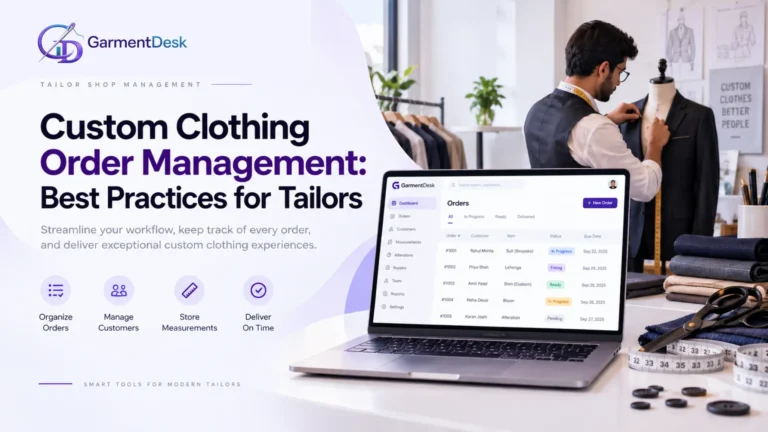
With organized customer management for tailor shops, staff can quickly find the information they need when a customer calls or visits.
This also reduces the chance of asking customers for information they have already provided.
2. Give Customers Regular Order Updates
Customers should not have to repeatedly contact the shop to ask, “Is my garment ready?”
Tailor shops can improve customer communication by providing updates at important stages of an order.
For example, a shop can inform customers when:
- An order has been received
- Measurements have been confirmed
- Production has started
- A fitting is required
- Alterations are in progress
- The garment is ready
- The order is ready for collection
These updates provide customers with a better understanding of their order progress.
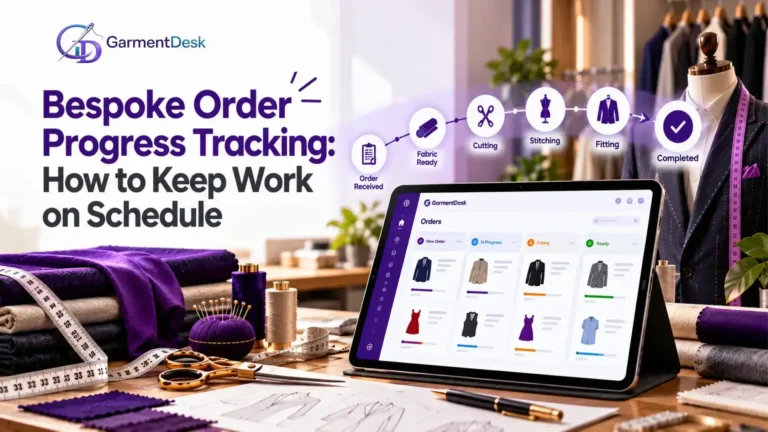
Using tailoring software can make this process easier by helping staff track the status of each order and send the appropriate notification.
3. Use Appointment and Fitting Reminders
Fittings are an important part of many tailoring businesses. However, customers can forget appointments, especially when an order was placed weeks earlier.
Sending an appointment reminder before a fitting can reduce missed appointments and unnecessary calls.
A reminder can include:
- Customer name
- Appointment date
- Appointment time
- Shop location
- Garment information
- Any preparation instructions
Automated appointment reminders can save staff time while helping customers remember important dates.
4. Send Ready for Collection Notifications
A simple “Your order is ready” message can make the collection process much easier.
Without a notification, customers may not know whether their garment is finished. Staff may then receive repeated calls asking about the order.
Once an order is completed, the tailor shop can send a ready-for-collection notification with relevant details.
For example, the message can tell the customer that their garment is ready and provide the shop’s collection information.
This creates a clear communication point between the shop and customer.
5. Confirm Customer Requirements Before Production
Communication should not only happen after an order is placed.
Before production begins, staff should confirm important details such as:
- Measurements
- Garment type
- Fabric
- Style preferences
- Alterations
- Delivery or collection requirements
- Special instructions
A quick confirmation can prevent misunderstandings later.
Digital customer records can make it easier for staff to review previous information and check new instructions before work begins.
6. Make Follow-Ups Part of the Process
Customer follow-ups are useful when an order requires another fitting, approval, payment, alteration, or collection.
For example, a customer may need to return for a second fitting after an alteration. If there is no follow-up process, the task can easily be forgotten during a busy day.
A tailor shop management system can help staff keep track of follow-up tasks and outstanding orders.
This allows the team to see which customers need attention instead of depending entirely on memory.
7. Keep Communication Consistent Across Your Team
Communication problems can happen when different employees have different information about the same order.
For example, one employee may tell a customer that an order will be ready on Friday while another employee sees a different completion date.
A centralized order management system can help staff access the same customer and order information.
This is particularly useful for busy tailoring businesses with multiple employees or locations.
8. Use the Right Communication Channel
Not every customer prefers the same communication method.
Depending on the business and customer preferences, tailor shops may communicate through:
- SMS
- Phone calls
- In-store conversations
The important thing is to use a communication method that customers can easily access and that staff can manage consistently.
For routine updates such as appointment reminders and collection notifications, automated messages can reduce the amount of manual work required from staff.
9. Reduce Manual Communication Tasks
Many tailor shops still manage customer communication manually. Staff may write reminders on paper, search through order books, make individual phone calls, and update customers one by one.
This can become difficult as the number of orders increases.
Tailoring business software can help automate routine communication while keeping staff in control of customer interactions.
For example, GarmentDesk can help tailor shops manage customer information, orders, appointments, notifications, and other daily activities from one system.
This allows staff to spend less time searching for information and more time serving customers.
10. Communicate Delays Honestly
Even with good planning, tailoring orders can sometimes take longer than expected.
A delay becomes more frustrating when the customer finds out only after the expected completion date has passed.
If an order is delayed, contact the customer as soon as possible and explain:
- What has changed
- Why the order is delayed, when appropriate
- The updated expected completion date
- Whether the customer needs to take any action
Clear communication can prevent unnecessary frustration and give customers realistic expectations.
11. Keep a Record of Customer Conversations
Important customer instructions should not depend on someone’s memory.
If a customer requests a change by phone, email, or during a shop visit, the relevant information should be added to the order record.
For example:
“Customer requested shorter sleeve length before final stitching.”
Recording this information helps other team members understand the latest requirements.
This is especially important when several employees work on the same order.
12. Ask for Feedback After Completing an Order
Communication should continue after the customer receives the garment.
A short follow-up can help the shop understand whether the customer is satisfied with the fit, finishing, and overall service.
Tailor shops can ask questions such as:
- Was your garment completed on time?
- Was the fitting satisfactory?
- Were your requirements followed correctly?
- Was the ordering process easy?
- Is there anything we could improve?
Customer feedback can reveal problems that may not be obvious to staff.
How GarmentDesk Helps Tailor Shops Communicate Better
GarmentDesk is designed to help tailoring businesses manage their everyday operations in one place.
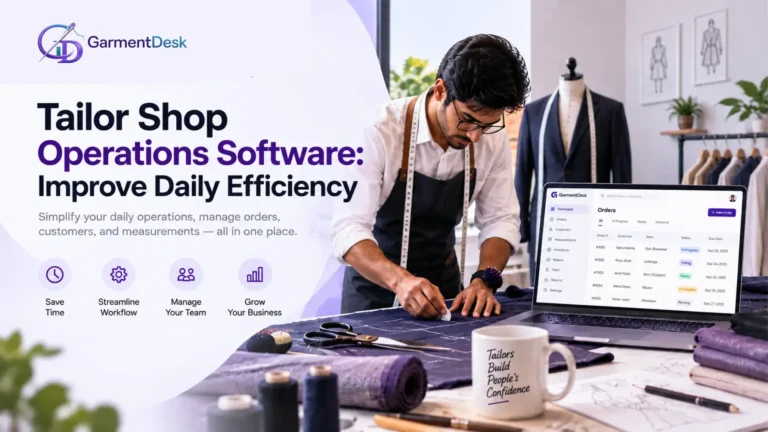
Instead of keeping customer information, order details, measurements, and follow-up tasks across different systems, tailor shops can organize their work through a dedicated tailor shop management software solution.
With GarmentDesk, businesses can manage areas such as:
- Customer profiles and records
- Measurements
- Tailoring orders
- Alterations
- Fittings
- Customer follow-ups
- Invoices and payments
- Notifications
- Multiple store operations
- Staff roles and permissions
- Reports and business information
Having these details organized makes it easier for staff to understand what needs to happen next and communicate accurate information to customers.
A Simple Communication Process for Tailor Shops
A practical customer communication process can look like this:
Step 1: Create the customer record
Record contact information, measurements, preferences, and relevant notes.
Step 2: Record the order
Add the garment details, required alterations, expected completion date, and other instructions.
Step 3: Confirm the requirements
Check measurements and special requests before production begins.
Step 4: Track the order
Update the order status as it moves through production and fitting.
Step 5: Send important updates
Notify customers about fittings, changes, delays, and completion.
Step 6: Confirm collection
Send a ready-for-collection message when the garment is finished.
Step 7: Follow up
Ask for feedback and record any future requirements.
This simple process can make communication more organized without making the customer experience complicated.
Better Communication Starts With Better Organization
Knowing how tailor shops can improve communication with customers is not only about sending more messages. It is about giving customers the right information at the right time.
Accurate customer records, clear order statuses, fitting reminders, follow-ups, and timely notifications can make everyday communication easier for both customers and staff.
With GarmentDesk, tailor shops can bring customer management, order tracking, measurements, notifications, and other daily operations into one organized system.
If your tailoring business is spending too much time answering order-status calls, searching for customer information, or remembering follow-ups manually, it may be time to simplify the way you manage customer communication.
Explore GarmentDesk and see how a dedicated tailoring management system can help your shop manage customers and orders more efficiently.