Fashion design is no longer limited to sketches, fabric samples, and repeated physical prototypes. Designers and tailoring businesses now have access to digital tools that can make the design and development process more visual, accurate, and manageable.
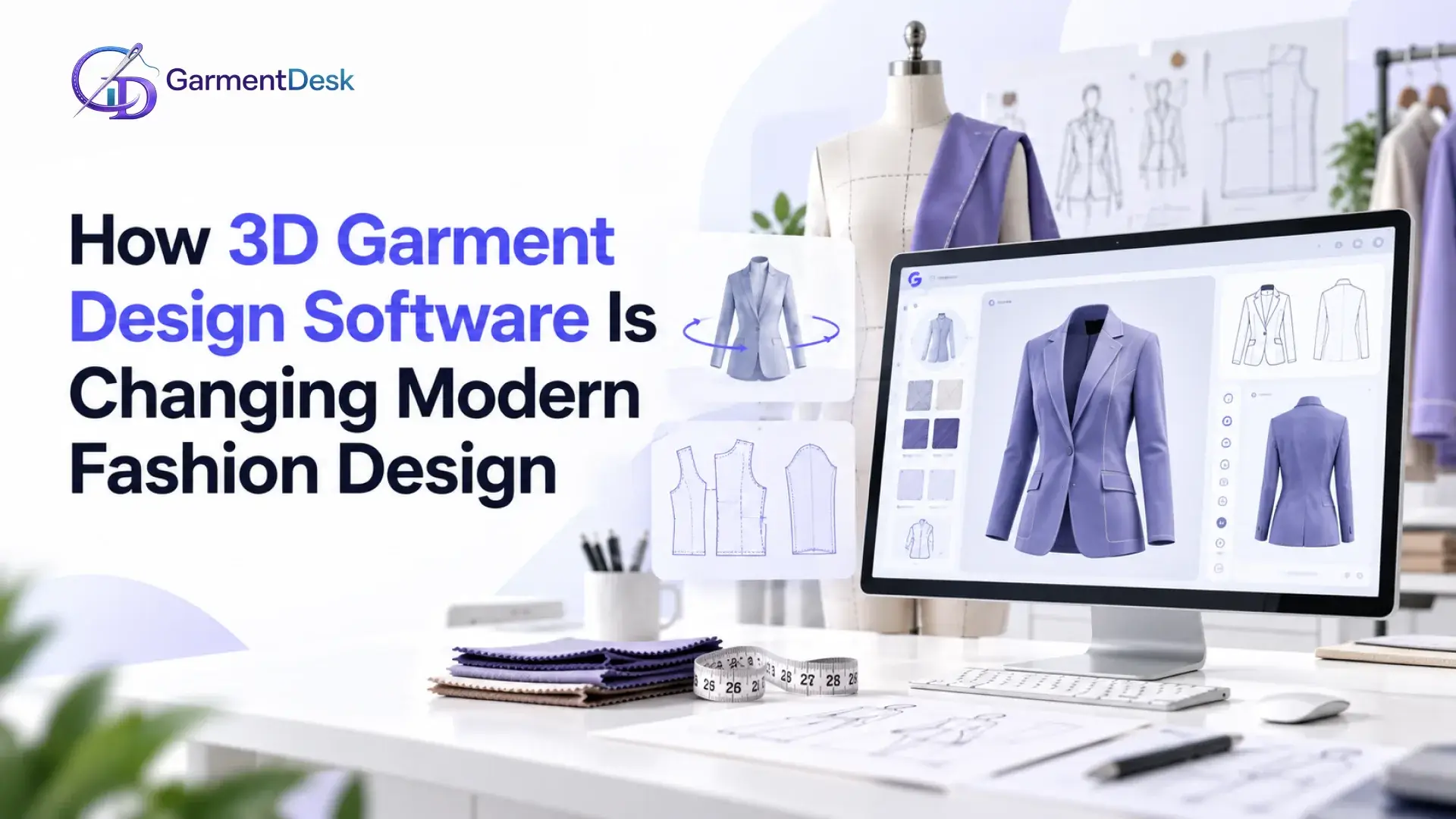
How 3D Garment Design Software Is Changing Modern Fashion Design can be seen in the way clothing is created, adjusted, reviewed, and prepared for production. Instead of depending entirely on physical samples, designers can create digital garments, examine how they fit, make changes, and review different design options before producing the final piece.
For modern fashion businesses, this approach can help reduce unnecessary sampling, improve communication, and give designers more control over the development process.
What Is 3D Garment Design Software?
3D garment design software allows designers to create and develop clothing in a digital environment. A designer can work with patterns, fabrics, measurements, colours, textures, and garment details to produce a three-dimensional representation of a garment.
Traditional fashion design often requires several stages:
- Creating a sketch
- Developing a pattern
- Producing a sample
- Checking the fit
- Making alterations
- Creating another sample
- Preparing the garment for production
With 3D fashion design software, many design decisions can be reviewed digitally before a physical garment is produced.
This does not completely replace traditional tailoring or physical samples. Instead, it provides another way to test and communicate design ideas.
How 3D Garment Design Is Changing Fashion Design
The biggest change is the ability to see a garment before committing to physical production.
1. Designers Can Visualize Garments in 3D
A two-dimensional sketch provides an idea of how a garment should look, but it may not show every detail of the finished piece.
3D clothing design software creates a more detailed digital representation. Designers can examine elements such as:
- Garment shape
- Fabric appearance
- Seams
- Sleeves
- Necklines
- Pockets
- Length
- Fitting
- Colours and textures
This makes it easier to identify design problems at an earlier stage.
2. Digital Prototypes Reduce Unnecessary Samples
Physical samples require fabric, labour, time, and production capacity. When a design needs several revisions, these resources can quickly add up.
A virtual garment design allows designers to review changes digitally before producing another sample.
For example, a designer working on a jacket can adjust the sleeve length or change the fabric appearance digitally. The revised version can then be reviewed before moving to physical sampling.
This can reduce the number of samples required during development.
3. Better Understanding of Garment Fit
Fit is an important part of fashion and tailoring.
3D garment visualization software can help designers examine how a garment is expected to sit on a digital body model. This gives them an additional way to assess proportions and identify potential fitting issues.
Designers can test different measurements and construction choices before creating the physical garment.
For businesses handling made-to-measure clothing, this type of digital review can also support more consistent design decisions.
3D Garment Design Software and Custom Clothing
The benefits of 3D design are not limited to large fashion brands.
Custom tailoring businesses can also use digital garment design to improve the way they manage individual designs.
A customer may request a specific combination of:
- Fabric
- Collar style
- Sleeve style
- Trouser cut
- Jacket design
- Embroidery
- Measurements
- Finishing details
Instead of relying only on a written description or hand-drawn sketch, the design can be represented digitally.
This can make it easier for both the customer and the tailor to understand what is being created.
How 3D Design Helps Customers
Customers often find it difficult to imagine the final garment from a sketch or fabric swatch alone.
A digital garment representation provides a clearer reference.
For example, when designing a custom suit, the customer may want to compare different lapel styles, colours, or fits. A digital model can help demonstrate these choices before production begins.
This can reduce misunderstandings between the customer and the design team.
The Role of 3D Fashion Design in Sampling
Sampling is one of the areas where digital garment development can make a noticeable difference.
Traditional sampling can involve multiple rounds:
Design → Pattern → Sample → Fit Check → Revision → New Sample
3D design introduces another stage where the garment can be reviewed digitally:
Design → Digital Prototype → Review → Revision → Physical Sample
The goal is not necessarily to eliminate physical samples. Instead, digital prototypes can help identify some design issues before materials and production time are committed.
3D Garment Design and Fabric Visualization
Fabric plays a major role in how a garment looks and behaves.
A design that looks good on paper may appear different when made with a particular material. Factors such as texture, thickness, stretch, and drape can influence the final appearance.
Modern 3D garment design software can simulate different fabric properties and provide a visual representation of how materials may behave on a garment.
This allows designers to compare options earlier in the development process.
Making Design Changes More Efficient
Fashion designs rarely remain unchanged from the first concept.
A designer may change:
- Colour
- Fabric
- Pattern
- Garment length
- Fit
- Pocket placement
- Collar shape
- Sleeve design
- Decorative details
With physical prototypes, each significant change can require additional work.
With a digital garment model, many adjustments can be made without immediately creating another physical sample.
This makes experimentation easier while keeping the development process more controlled.
How 3D Garment Design Supports Fashion Businesses
The value of 3D design extends beyond the designer’s screen.
Fashion businesses need to coordinate different activities, including design, customer communication, production, alterations, and order management.
When digital design information is clearly organized, it can provide useful references for the people involved in developing a garment.
For tailoring businesses, this can be particularly useful when handling multiple customer orders and custom requirements.
3D Design and Tailoring Software
3D garment design software and tailoring management software serve different purposes, but they can work alongside each other.
A 3D design application focuses on the garment itself, while tailoring software can help manage the business processes around that garment.
For example, a tailoring business may need to manage:
- Customer profiles
- Measurements
- Garment orders
- Alterations
- Bespoke requirements
- Quotes
- Invoices
- Payments
- Production status
- Customer notifications
A connected digital workflow can make it easier to move from a customer’s requirements to an organized production process.
Why Digital Garment Development Matters for Modern Fashion
The fashion industry continues to face practical challenges around time, material usage, sampling, communication, and production planning.
Digital garment development provides designers with another way to address some of these challenges.
It can help businesses:
- Review designs before physical production
- Reduce unnecessary sample revisions
- Communicate designs more clearly
- Compare different garment options
- Test design changes more easily
- Keep customer requirements organized
- Improve the design development process
The exact benefits depend on the software, workflow, and type of fashion business.
Is 3D Garment Design Replacing Traditional Fashion Design?
No.
Traditional skills remain important. Designers still need an understanding of fabrics, construction, patterns, measurements, fitting, and garment production.
3D fashion design technology works as an additional tool.
A designer can combine traditional knowledge with digital development to create a more efficient workflow. Physical garments are still important for checking real-world factors that cannot always be represented perfectly in a digital environment.
The strongest approach is often a combination of digital design and practical garment-making experience.
What the Future of Garment Design Looks Like
The use of digital garment development is likely to continue growing as fashion businesses look for more efficient ways to design and produce clothing.
For independent designers and tailoring businesses, the important question is not whether digital tools will replace traditional methods. It is how these tools can be incorporated into existing workflows without making the process unnecessarily complicated.
A practical digital system can help businesses organize customer information, measurements, designs, orders, and production activities in one place.
For a tailoring business, this can be especially valuable when managing bespoke and alteration work alongside everyday customer orders.
Final Thoughts
How 3D Garment Design Software Is Changing Modern Fashion Design is ultimately about giving designers more ways to work before a garment reaches physical production.
From digital prototypes and fabric visualization to improved fitting and easier design revisions, 3D garment development can help make the design process more controlled and easier to review.
For tailoring and fashion businesses, the technology becomes even more useful when it fits into a broader system for managing customers, measurements, orders, alterations, and production.
GarmentDesk can help tailoring businesses manage these day-to-day operations while keeping important customer and garment information organized in one place.